Finding the Best Home Remodeling Company for Bathrooms, Decks, and Additions
Choosing a remodeler sounds simple until you start making calls. One company says it can handle your bathroom renovation in three weeks. Another promises a custom deck before the next holiday weekend. A third says home additions are no problem, then gets vague when you ask about permits, structural plans, or who will actually be on site.
That is where homeowners get tripped up. Bathrooms, decks, and additions all fall under the broad umbrella of remodeling, but they are not the same kind of work. A sharp tile installer is not automatically the right deck builder. A crew that can frame a beautiful deck enclosure may not be the best fit for opening up your kitchen and tying a new addition into the existing roofline. Finding the right home remodeling company means looking past the sales pitch and figuring out what that company truly does well.
After years of seeing remodels go right and wrong, one pattern stands out. The best projects usually start with a contractor who knows their lane, communicates clearly, and treats planning as seriously as construction. The worst ones often begin with a low bid, a rushed promise, or a homeowner who assumed all contractors were interchangeable.
Why these three projects demand different expertise
Bathrooms, decks, and additions each come with their own risks. In a bathroom, the hidden problems usually involve water. The room may be small, but every inch matters. A capable bathroom contractor understands waterproofing, ventilation, drainage slope, tile movement, fixture spacing, and how to work around old plumbing without creating a future leak behind the wall.
Decks are different. A contractor for deck work needs to think structurally from the start. Ledger attachment, footings, spans, railing safety, stair geometry, and local code matter more than many homeowners realize. A pretty deck that is not framed correctly is not a bargain. It is a liability. The same goes for deck enclosures, where roof loads, snow loads, drainage, and insect screening all affect how the structure performs over time.
Home additions raise the stakes again. Once you move into adding square footage, you are dealing with excavation, foundations, framing integration, roofing tie-ins, insulation, HVAC balancing, window placement, and often zoning questions. Good home additions require coordination. Great ones feel like they were always part of the house.
This is why a homeowner should not simply search for a home remodeling company and stop there. You want a company whose real-world experience matches your project, not one that just lists every possible service on its website.
Start by matching the contractor to the job
It helps to think in layers. Some firms are general remodelers with enough staff and subcontractor relationships to handle several project types well. Others are specialists. Neither model is automatically better.
If you are planning a full primary bath gut renovation with plumbing relocation, heated floors, and a curbless shower, a seasoned bathroom remodeling company is often your best bet. These jobs look deceptively compact, but they are detail-heavy. A strong bathroom remodeling company will know how to spot the weak spots in an older bath before demolition begins. They will ask about moisture history, fan venting, subfloor deflection, and whether the existing drain location will support your new layout.
If your project is an outdoor living space, the right deck contractor should speak comfortably about framing species, composite expansion, flashing details, footing depth, and local permit requirements. If they also build covered porches or deck enclosures, ask to see examples that are at least a few years old. New work always looks good in photos. The real test is how it ages.
For home additions, look for a remodeling company that regularly handles structural changes. There is a world of difference between replacing finishes and tying a new room into an existing house. The best addition contractors think beyond square footage. They talk about floor levels, sight lines, natural light, and how the old and new sections will meet without awkward transitions.
The first conversation tells you a lot
You can learn more in a 15-minute phone call than in an hour of scrolling project galleries. The right questions reveal whether the company is organized, experienced, and honest about fit.
Ask what percentage of their work is bathrooms, decks, or additions. If someone claims equal mastery in everything from kitchens to pools to roofs to outdoor structures, be cautious. Most excellent contractors have clear strengths.
Ask how they handle estimates. Some companies give rough price ranges after a phone call, then refine them after a site visit. That is normal. A bid pulled out of thin air without seeing the space usually means one of two things: they are guessing, or they plan to make up the difference with change orders later.
Pay attention to how they talk about scheduling. Good contractors are often busy, but they can usually explain their process and timing with confidence. Vague answers like “we’ll fit you in” or “it should move fast” are less reassuring than a realistic timeline that includes design, selections, permitting, material lead times, and construction.
The other clue is whether they ask you smart questions back. A serious bathroom contractor will want to know the age of the home, whether you are changing the layout, and what problems you are trying to solve. A professional deck builder will ask about size, height, sun exposure, access to the yard, and whether you want stairs, lighting, or covered space. A qualified addition contractor will ask about setbacks, budget range, intended use, and whether you have plans or need design help.
What good estimates actually look like
Many homeowners think the lowest bid wins if the contractor seems nice enough. That is where expensive problems begin. A useful estimate should not just give a total. It should tell you what is included, what is excluded, and where the allowances sit.
In bathroom renovation work, allowances are common for tile, plumbing fixtures, vanity styles, mirrors, and lighting. That is not a problem by itself. The problem is an allowance that is so low it creates a fake bargain. If the estimate includes a faucet allowance that only covers the most basic model, but your taste is midrange or better, you are not comparing apples to apples.
Deck estimates should be clear about framing materials, decking product, railing type, stair details, fascia treatment, skirting, and demolition if an old structure needs removal. If you are comparing a contractor to build decks, look closely at the foundation scope. One bid might include proper deep footings and permit inspection, while another quietly assumes a lighter approach that will never pass code.
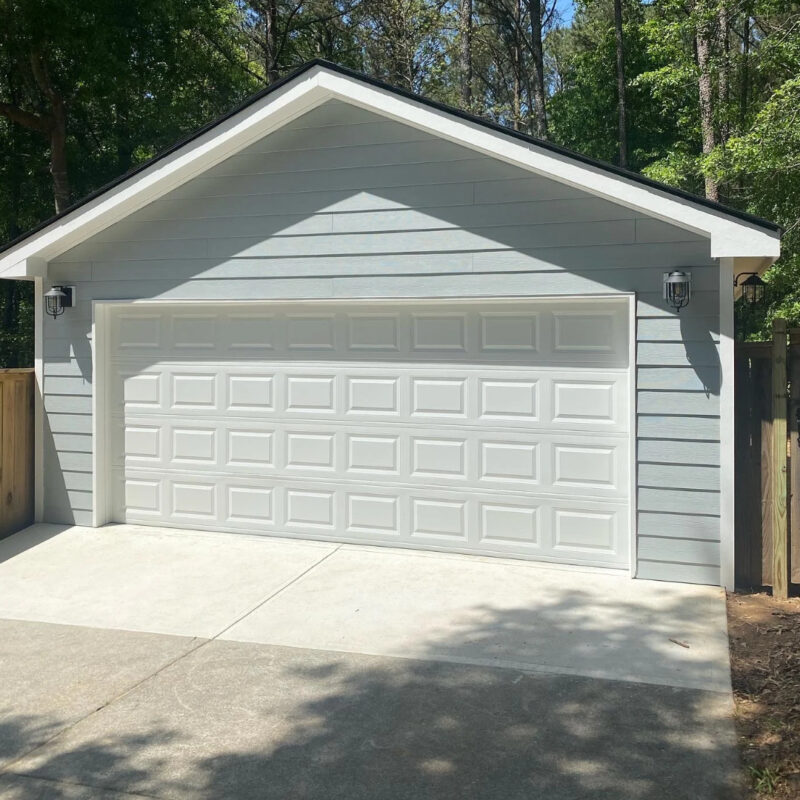
Addition estimates are often the most complex. They may include preliminary allowances for windows, flooring, or cabinetry while leaving room for final selections later. That is reasonable. What matters is transparency. A trustworthy home remodeling company explains the moving parts and does not hide behind vague line items.
Credentials matter, but they are not the whole story
Homeowners often focus on licensing and insurance, and they should. Those are baseline protections. Still, they do not tell you whether the company manages jobs well, shows up consistently, or finishes strong.
A licensed and insured contractor can still be disorganized. A polished website can still hide weak field supervision. The best way to bridge that gap is to ask about process. Who will be your day-to-day contact? Who supervises the crew? Do they use employees, subcontractors, or a mix? How often will they update you? What happens if hidden damage appears after demolition?
These questions matter a lot in bathroom work. Once the walls come open, surprises are common. Rotten subfloor around a toilet flange, old galvanized plumbing, unsafe wiring, and poorly vented fans show up all the time in older homes. A seasoned bathroom remodeling company will not pretend those things never happen. They will explain how they document issues and price corrective work.
The same principle applies to outdoor projects. A deck contractor who has seen enough jobs will know that soil conditions, drainage, and access can change the plan. A reliable contractor for deck work communicates those realities before the crew unloads materials.
Past work should feel relevant, not just impressive
Project photos are useful, but relevance beats glamour. A dramatic spa-like bathroom in a new custom house does not tell you much if your home was built in 1968 and your real issue is integrating new tile with uneven framing and old plumbing. A huge multi-level deck on a sloped lot may not prove that the same company is ideal for your simple backyard platform deck.
Ask to see projects that resemble yours in age, complexity, and style. If you are considering deck enclosures, ask specifically how they handle moisture, ventilation, roof tie-ins, and transitions to the house. If you are planning home additions, ask to see before-and-after examples where the new construction blends cleanly with the original home.
There is also value in seeing details up close. Mitered trim, tile cuts around niches, grout alignment, handrail sturdiness, door swing clearance, and how exterior materials terminate at corners all tell a more honest story than wide-angle photos do.
References are most useful when you ask better questions
A contractor will naturally send you clients who liked working with them. That is fine. The mistake is asking only whether they were happy. Most people will say yes and move on.
Ask what happened when something unexpected came up. Ask whether the schedule stayed close to what they were told. Ask whether the site was kept safe and reasonably clean. Ask whether the final invoice matched expectations. Ask if they would hire the same company again for a different kind of work.
Those answers tell you far more than “they did a great job.” A homeowner might love the finished deck but admit communication was poor for six weeks. Another may say the bathroom renovation took longer than planned, but every issue was documented and handled fairly. That kind of nuance matters.
A few red flags that should slow you down
Sometimes the warning signs are obvious. More often, they are subtle. If you notice more than one of these, keep looking.
- The estimate is dramatically lower than others without a clear explanation.
- The company resists pulling permits or says permits are unnecessary for structural work.
- The salesperson cannot explain who will actually supervise your project.
- The contract is thin, vague, or silent on allowances, payment schedule, and change orders.
- Communication gets inconsistent before you even sign.
A low price often means missing scope, weak materials, unrealistic labor assumptions, or a plan to recover contractor for deck profit later. That is especially dangerous with bathrooms and additions, where hidden conditions are common.
The contract should answer uncomfortable questions before they become real problems
No one likes reading a long contract, but it is one of the best windows into how a company operates. A strong agreement should lay out scope, payment timing, warranty language, allowance amounts, who handles permits, cleanup expectations, and how changes are approved.
For bathroom projects, the change-order process is particularly important. Maybe you decide midstream to add recessed storage or upgrade to frameless glass. Maybe the crew uncovers damaged framing that needs repair. The contract should make it easy to understand how extra work is documented and priced.
For deck projects, verify whether staining, sealing, or permit fees are included when relevant. For a contractor to build decks using composite materials, ask whether hidden fasteners, fascia boards, and picture framing are included or optional. Those details affect both appearance and cost.
For home additions, make sure the contract addresses structural engineering, insulation requirements, HVAC extension or upgrades, and finish integration. Addition work has more domino effects than homeowners expect. A new room may also require panel upgrades, drainage changes, or reworking old siding and roofing beyond the immediate footprint.
Budget pressure is real, but value matters more than sticker price
Most homeowners have a range in bathroom remodeling company reviews mind, even if they do not say it out loud at first. That is normal. Remodels are expensive, and prices vary by region, material choice, and house condition. Still, the goal is not to buy the cheapest bathroom contractor or the cheapest deck builder. The goal is to hire the best-fit professional for the budget you actually have.
A smaller, well-executed bathroom often beats a bigger, overdesigned one with weak waterproofing and bargain fixtures. A straightforward deck with solid framing and quality railings is a better investment than a sprawling build that cuts corners on structure. A thoughtfully scaled addition that flows with the home will serve you longer than a larger one that feels tacked on.
Good contractors help homeowners make trade-offs without undermining the whole project. In a bathroom renovation, they might suggest spending more on waterproofing and tile labor while saving on a vanity that can be upgraded later. In deck work, they may recommend simplifying the shape to preserve budget for better materials and stairs. In home additions, they may help you shrink square footage slightly to improve window placement, circulation, and finish quality.
Timing, permits, and weather can change everything
Many project frustrations have less to do with incompetence and more to do with unrealistic expectations. Bathrooms can stall because of special-order tile or plumbing fixtures. Decks can be delayed by rain, inspection timing, or muddy access. Additions can hit long stretches of permit review, engineering revisions, or utility coordination.
The best home remodeling company will not promise perfect speed. They will explain where the bottlenecks usually happen and what they do to stay ahead of them. That kind of honesty may sound less exciting at first, but it is usually a sign of maturity.
I have seen homeowners reject a contractor with a realistic 10-to-12 week bathroom timeline, then sign with someone who promised six weeks and spent four of them waiting on materials that were never ordered on time. The slower truth would have felt better than the faster fiction.
When one company can handle it all, and when it should not
There are times when hiring one home remodeling company for multiple projects makes sense. If you are renovating a bathroom, adding a deck, and considering home additions over the next few years, a firm with a strong track record across those areas can create consistency in design, scheduling, and budgeting. That is especially helpful if structural work overlaps, such as adding a primary suite and a connected outdoor living area.
But there is no prize for using one company if their experience is lopsided. If they are excellent bathroom remodelers and only dabble in exterior structures, it may be smarter to hire a dedicated deck contractor for the outdoor phase. Likewise, if the company builds beautiful decks but rarely handles major additions, do not assume they can stretch into that role just because they want the work.
The best contractors are often honest about this. They will tell you where they shine and where they do not. That kind of answer builds trust quickly.
A smart way to compare your finalists
When you narrow it down to two or three companies, compare them on more than cost. A simple side-by-side review can bring clarity.
- Relevant experience with your exact project type
- Clarity and detail of the estimate
- Communication style and responsiveness
- Quality of references and past work
- Confidence in who will manage the job daily
That last point matters more than many homeowners expect. The project manager or lead carpenter you deal with each week often shapes your experience as much as the owner who sold the job.
The best fit usually feels clear before construction starts
By the time you have reviewed estimates, checked references, and talked through the process, the right choice often becomes obvious. It may not be the cheapest company. It may not be the one with the flashiest branding. It is usually the one that answered questions directly, respected your budget, showed relevant experience, and made the complexities feel manageable rather than mysterious.
A great bathroom remodeling company understands that small rooms demand precision. A dependable contractor for deck work knows that outdoor structures must be both attractive and safe. A capable team for home additions sees the whole house, not just the new footprint. And the right home remodeling company, whether generalist or specialist, earns trust by being accurate before they are ever impressive.
That is what you are really hiring. Not just labor. Not just materials. Judgment, planning, coordination, and follow-through. When those pieces are in place, the finished bathroom feels calm, the deck feels solid underfoot, and the addition feels like it belongs. Those are the signs you chose well.